Inquiries to Ask Prior To Choosing a Professional in Denver CO .
Hiring a contractor in Denver is not a casual errand. It is closer to choosing a financial steward, a technical interpreter, and a long-term guest in your home or commercial property. The right contractor protects your investment, anticipates complications before they become expensive, and understands how Denver’s climate, permitting environment, architecture, and neighborhoods shape the work.
The wrong one can leave you with a project that looks appealing for six months, then starts speaking through cracked tile, swollen trim, drainage problems, delayed inspections, surprise invoices, or unresolved punch-list items.
Denver is a sophisticated construction market. A renovation in Washington Park has different demands than a build-out in RiNo. A custom basement finish in Hilltop is not the same as a mountain-adjacent addition west of town. Even within city limits, soil movement, older utilities, historic district considerations, and winter scheduling all matter. That is why the best conversations with general contractors Denver homeowners and property owners consider are not just about price. They are about judgment.
A polished portfolio is pleasant. A confident first meeting is helpful. But the real distinction between average contractors and exceptional Denver General Contractors often emerges through the questions you ask before signing.
Start With Fit, Not Price
Most people begin with the number. It is understandable. Construction costs in Colorado have climbed over the past several years, and even modest projects can carry serious budgets. But if the first question is simply, “How much will this cost?” you may get an answer before the contractor has enough information to give you a meaningful one.
A serious Contractor Denver CO property owners can trust will usually resist giving a firm price based on a five-minute walk-through. They will ask about your priorities, desired finishes, schedule constraints, existing conditions, and whether drawings or engineering are already in place. On higher-end projects, they may want to review structural details, mechanical systems, access limitations, and material lead times before discussing a reliable range.
Price matters, of course. It matters deeply. But price without scope is theater.
A better opening question is: “Have you completed projects similar to mine in Denver, and what made those projects successful or difficult?”
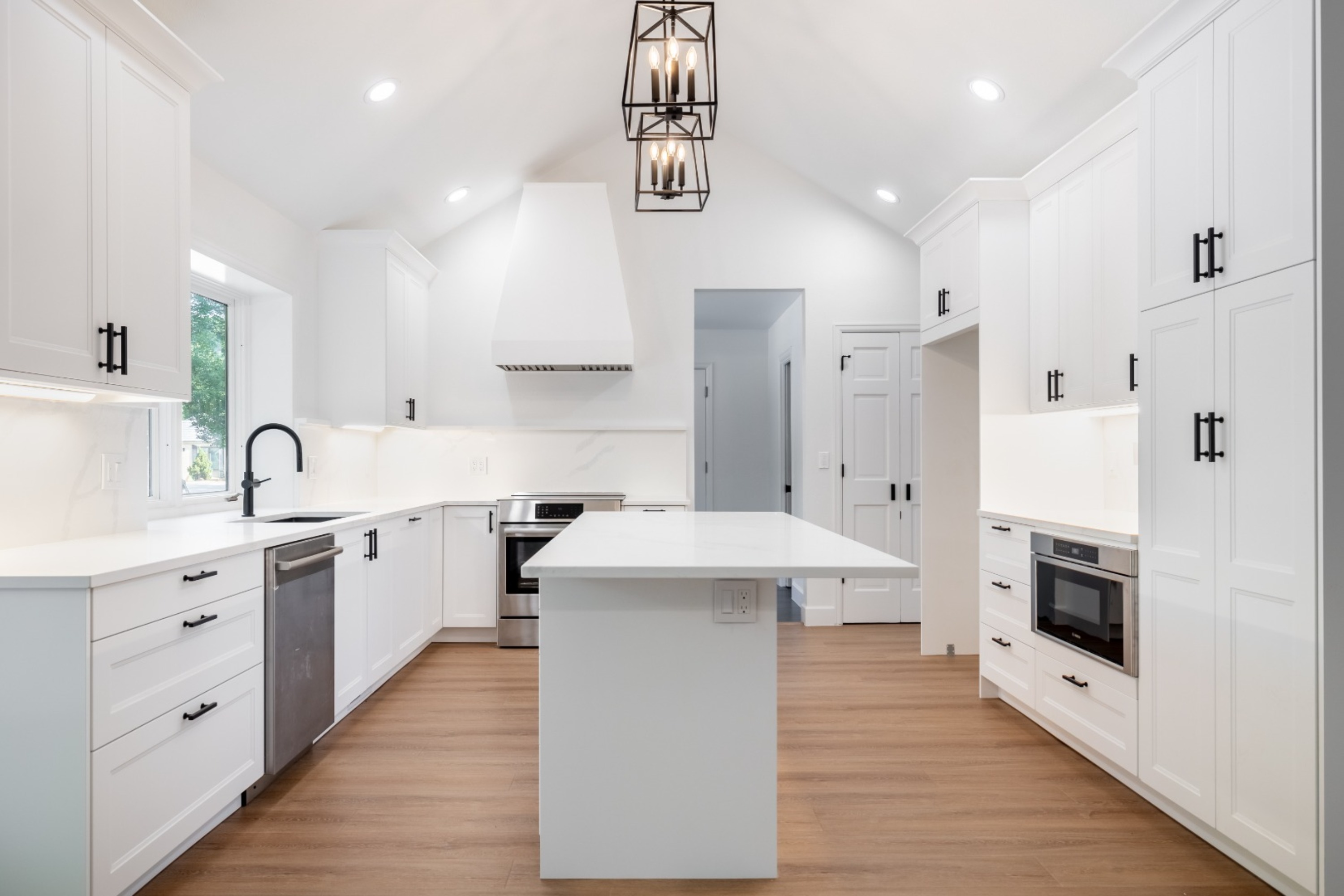
That question invites the contractor to show their working knowledge. Listen for specifics. A strong answer might mention clay soils, city inspection timing, older Denver homes with inconsistent framing, asbestos or lead-paint concerns in pre-1978 properties, or how snow and freeze-thaw cycles affect exterior work. If you are remodeling a luxury kitchen in Cherry Creek, you want someone who understands millwork tolerances, appliance coordination, ventilation routing, and the delicate sequencing required when stone, cabinetry, electrical, and plumbing all converge in the same few square feet.
If you are interviewing Building Contractors Denver businesses use for commercial improvements, the conversation shifts again. Tenant coordination, business interruption, fire ratings, ADA considerations, and after-hours work may become central. The contractor’s ability to speak fluently about your type of project tells you more than a generic promise ever could.
Ask How They Define a Complete Scope
A refined construction experience depends on clarity. Scope is https://blogfreely.net/joyceylcxg/why-nearby-knowledge-concerns-when-deciding-on-a-service-provider-in-denver-co where that clarity begins.
Ask: “What exactly is included in your proposal, and what is excluded?”
This may sound basic, but it is one of the most revealing questions you can ask. The weakest proposals tend to be vague. They name broad categories such as “bathroom remodel,” “flooring,” “paint,” or “electrical” without identifying product allowances, demolition assumptions, disposal, patching, trim details, permit responsibility, or final cleaning. A vague proposal can look less expensive on day one and become the most costly option by month three.
A quality Denver General Contractor should be able to walk you through the proposal line by line. They should explain allowances, alternates, exclusions, assumptions, and contingencies. If they have not included specialty items, they should say so plainly. If pricing depends on final selections, that should be visible.
For example, “tile included” is not enough. Are we talking about ceramic tile at $6 per square foot, handmade zellige at $28 per square foot, or book-matched marble slabs that require a specialist fabricator? The labor associated with each is not identical. The substrate preparation may not be identical either. In luxury construction, vague allowances are where budgets go to unravel.
The same applies to windows, doors, cabinetry, lighting, plumbing fixtures, flooring, and exterior materials. Colorado General Contractors with mature systems know how to separate fixed costs from selection-dependent costs so owners can make informed decisions. They also know when a premium finish affects schedule. A custom steel door, imported stone, or specialty wood flooring may require weeks or months of planning.
A contractor who welcomes scope questions is usually someone who has nothing to hide. A contractor who becomes irritated by them may be relying on ambiguity.
Licensing, Insurance, and the Quiet Value of Compliance
Denver does not treat construction casually. Depending on the type of work, licensing, permits, inspections, and trade credentials may all come into play. Ask the contractor directly: “Are you properly licensed for this work in Denver, and can you provide current insurance certificates?”
The answer should be straightforward. A reputable firm offering General Contracting Services Denver clients rely on should have no hesitation providing documentation. Insurance should typically include general liability and workers’ compensation where applicable. For larger or more complex projects, additional coverage may be appropriate. If subcontractors are involved, the general contractor should have a process for verifying their insurance as well.
Do not accept vague reassurances. “We’re covered” is not documentation. “We’ve never had a problem” is not a risk management plan.
Permitting deserves the same level of attention. Ask who will pull permits and coordinate inspections. In many cases, the contractor should handle this process or clearly coordinate with the appropriate licensed trades. Some owners are tempted to skip permits to save time or money, especially on interior renovations. That shortcut can become expensive during resale, insurance claims, appraisal review, or future work.
A seasoned Denver General Contractor understands that permitting is not merely bureaucracy. It is a record that work was reviewed against applicable standards. It is also a form of protection for the owner. When a contractor discourages permits for work that likely requires them, consider that a serious warning sign.
Who Will Actually Be on Site?
The person who sells the project is not always the person who manages the work. That is not inherently a problem. Many established General Contracting Firms Denver property owners hire have estimators, project managers, superintendents, coordinators, and field crews. The key is knowing who is responsible for what.
Ask: “Who will be my daily point of contact, and how often will they be on site?”
A beautiful construction process depends on active management. Subcontractors need coordination. Deliveries need staging. Inspections need scheduling. Drawings need interpretation. Questions need answers before they become delays. If no one is clearly in charge, the owner often becomes the unwilling project manager.
On a well-run project, there is a rhythm. The project manager may handle communication, budget updates, procurement, and change orders. The superintendent or lead carpenter may oversee day-to-day site activity. Trade partners arrive in a deliberate sequence. The owner receives updates before anxiety has time to develop.
For residential projects, especially in occupied homes, site presence matters on a personal level. Dust control, floor protection, restroom use, parking, pets, children, security, and daily cleanup all shape the experience. For premium homes, this is not a courtesy. It is part of the service.
When comparing Contractors in Denver, ask how they protect the home during construction. Listen for more than “we cover things.” A capable contractor can describe temporary walls, negative air machines when needed, zipper doors, floor protection systems, tool storage, debris removal, and daily lock-up procedures. If the project involves high-value furnishings, art, landscaping, or custom finishes, the protection plan should be specific.
The Five Questions That Reveal Professional Discipline
Some questions cut through marketing language quickly. They are simple, but the answers separate polished professionals from improvisers.
- How do you handle change orders, and will I approve them in writing before work proceeds?
- What parts of this project carry the greatest risk for cost increase or delay?
- How do you schedule subcontractors, inspections, and material deliveries?
- Can you provide references for recent projects similar in size and complexity?
- What does your warranty cover, and how do you respond to warranty requests?
These five questions are not meant to corner anyone. They invite transparency. A serious contractor should be able to answer each without defensiveness. In fact, the best contractors often appreciate informed clients because informed clients make better decisions.
The second question is especially powerful. Every project carries risk. Hidden plumbing. Old wiring. Framing surprises. Long-lead materials. Weather. Engineering revisions. Utility conflicts. A contractor who says, “There are no risks,” either has not looked carefully or does not want to have an adult conversation. A contractor who can identify likely risk areas has already started managing them.
Ask About Denver-Specific Experience
Construction in Denver has its own character. The city combines old housing stock, modern infill, high-end remodels, commercial conversions, and new construction under a regulatory and environmental umbrella that can surprise outsiders.
Ask: “What should I know about doing this project specifically in Denver?”
This question gives local professionals room to demonstrate context. Experienced Denver Contractors may talk about permit review timelines, neighborhood access, alley logistics, snow management, parking constraints, utility upgrades, historic review, or how older foundations respond to new loads. They may discuss expansive soils, drainage, insulation values, energy code requirements, or the need for proper ventilation in tightly improved homes.
Contractors in Colorado also contend with regional weather patterns. Exterior paint, roofing, concrete, masonry, excavation, and framing all require attention to season. A contractor who schedules exterior concrete flatwork during a volatile freeze period without protection is inviting trouble. A contractor who understands Colorado conditions will plan around temperature, moisture, curing times, and site access.
Denver’s altitude and climate can also affect certain materials. Wood movement is real in dry environments. Wide-plank flooring, custom cabinetry, and interior millwork require acclimation and humidity awareness. Natural stone, exterior stucco, and metalwork each have their own demands. Luxury work requires more than installation skill. It requires respect for material behavior.
The phrase Colorado Contractors covers a wide range, from small specialty crews to large commercial builders. Local experience should be relevant, not merely geographic. A contractor who builds production homes outside the metro area may not be the right fit for a detailed whole-home remodel in Congress Park. A commercial tenant improvement specialist may not be ideal for a custom residential addition. Match the expertise to the assignment.
Review Their Portfolio With a Critical Eye
A portfolio is useful, but only if you know how to read it. Attractive photography can mask ordinary construction. Conversely, some excellent contractors have modest photography because they spend more time building than branding.
When reviewing portfolios from Denver General Construction Contractors, ask what role the firm played in each project. Did they manage the full build, or only a portion? Were they responsible for design-build coordination? Did they self-perform carpentry? Did they manage specialty trades? Was the project completed under budget, on schedule, or under difficult site constraints?
Look closely at details. In kitchens, study the alignment of cabinet reveals, appliance panels, tile transitions, lighting placement, and finish carpentry. In bathrooms, look for slope at shower floors, niche placement, glass alignment, stone seams, and waterproofing conversations, even though waterproofing itself is hidden. On exterior projects, look at flashing, drainage, railing attachments, masonry transitions, and roof-to-wall connections.
A luxury project is often judged in the last five percent. Anyone can create visual impact from across the room. Fewer contractors can hold quality at the inside corner, the cabinet scribe, the stair detail, the mitered casing, the flush floor transition, or the recessed lighting layout.
If you are considering Denver Contractors RKG Contracting or searching phrases such as RKG Contracting General Contractors Denver, use the same critical process you would use for any firm. Review relevant work, ask specific questions, verify credentials, speak with references, and evaluate communication style. A name or search result is only the starting point. The substance comes from the interview and the evidence behind it.
References Should Sound Like Real People
Ask for references, then actually call them. Many owners skip this step because it feels awkward. It should not. A reputable contractor expects it.
When speaking with past clients, avoid asking only whether they were happy. Happiness is too broad. Ask what changed during the project, how the contractor responded, whether the final cost matched expectations, how clean the site remained, and whether they would hire the same team again. The richest answers usually come when you ask, “What do you wish you had known before starting?”
Good references sound balanced. They may say the project took two weeks longer than hoped because a custom window order was delayed, but the contractor communicated clearly and resequenced work to reduce downtime. They may say the price was not the lowest, but the workmanship and management were worth it. They may mention one difficult moment and explain how it was resolved.
Be cautious of references that feel coached or strangely perfect. Construction is complicated. Even excellent projects involve decisions, surprises, and adjustments. What matters is how the contractor behaves when the project is under pressure.
Understand the Estimate Before You Compare Bids
Comparing contractor bids can be surprisingly difficult. Three proposals for the same project may include different assumptions, materials, allowances, trade scopes, supervision costs, and exclusions. The lowest bid may simply be the least complete.
Ask each contractor: “Can you help me understand where your proposal may differ from others?”
A confident General Contractor Denver owners can rely on will not need to disparage competitors. They can explain their own numbers. Perhaps their price includes permits, engineered drawings, dust control, premium underlayment, project management, daily cleanup, or a realistic tile allowance. Perhaps another bid excludes electrical upgrades, assumes no drywall repair beyond a narrow area, or leaves fixture procurement to the owner.
For a substantial remodel, a difference of 10 to 20 percent between bids is not unusual when scopes are uneven. A much larger gap deserves scrutiny. Sometimes the high bid reflects a contractor who sees complexity others missed. Sometimes it reflects a firm that is not hungry for the project. Sometimes the low bid reflects efficiency. Sometimes it reflects omission.
The only way to know is to ask.
There is also a distinction between an estimate and a fixed proposal. Early budgeting may be based on conceptual information. A fixed contract should be based on clearer drawings, specifications, and assumptions. If you want firm pricing, provide firm information. If selections are still undecided, expect allowances and potential adjustments.
The Contract Should Feel Like Protection, Not Fine Print
A professional contract is not a sign of distrust. It is a sign that both parties respect the size of the commitment.
Ask: “May I review your standard contract before making a decision?”
The contract should define scope, price structure, payment schedule, change-order procedure, insurance expectations, dispute resolution, warranty terms, start and completion expectations, and termination conditions. For larger projects, it may also address site access, storage, utilities, owner-supplied materials, delays, concealed conditions, and design responsibilities.
Payment schedules should make sense. Be cautious with large upfront payments that seem disproportionate to mobilization or material deposits. It is normal for contractors to require a deposit, especially when custom materials must be ordered, but payments should generally track progress or defined milestones. The exact structure varies by project size and type.
Change orders deserve particular attention. They should be documented in writing, priced clearly, and approved before the work proceeds unless an urgent safety issue requires immediate action. This protects both owner and contractor. Memories become unreliable during construction. Written approvals prevent resentment.
Owners sometimes want to keep contracts light because the relationship feels friendly. That warmth is valuable, but it is not a substitute for documentation. A refined working relationship is built on both trust and precision.
Communication Is a Construction Skill
Communication is not separate from construction. It is part of the craft.
Ask: “How will you keep me updated, and how quickly should I expect responses?”
Some contractors use project management software with photos, schedules, selections, and change orders in one place. Others rely on email, phone calls, and weekly site meetings. Either can work if the system is consistent. What does not work is silence.
For busy professionals, executives, property investors, or families living through a remodel, communication can determine whether the experience feels controlled or chaotic. You should know when decisions are needed, when trades will arrive, when utilities may be interrupted, and when a schedule has shifted.
High-caliber Denver Contractor Services usually include a predictable communication cadence. Weekly updates are common on active projects, with more frequent contact during critical phases. On complex jobs, an owner may need to approve drawings, tile layouts, lighting locations, paint samples, hardware, or fixture placement. The contractor should provide enough lead time for thoughtful decisions.
Pay attention during the sales process. If a contractor is slow, vague, or disorganized before receiving a deposit, the pattern may not improve later. Preconstruction behavior is often a preview of construction behavior.
Ask How They Handle Design and Preconstruction
Not every contractor provides design services, and not every project needs them. Still, many successful projects benefit from preconstruction planning, especially when budgets are significant or details are complex.
Ask: “At what stage should you be involved, and how do you collaborate with architects or designers?”
Some General Contract Services Denver CO firms work from completed plans. Others offer design-build services or collaborate early with architects, interior designers, engineers, and specialty consultants. Early contractor involvement can help align design intent with budget reality. It can also identify constructability issues before drawings are finalized.
For example, a designer may specify a dramatic range hood, a stone backsplash, and floating shelves on a wall that also needs ductwork, electrical, and structural backing. A good contractor sees the conflict early. Without that coordination, the issue may emerge after demolition, when options are narrower and more expensive.
Preconstruction can include site investigation, budgeting, material lead-time review, preliminary scheduling, value refinement, and permit strategy. On luxury projects, this phase is often where the project is won or lost. The finished product may depend as much on decisions made before demolition as on the craftsmanship that follows.
Materials, Allowances, and Owner-Supplied Items
Materials can elevate a project or complicate it. Ask: “Who is responsible for ordering materials, checking quantities, inspecting deliveries, and handling damaged items?”
This question becomes crucial when owners want to supply fixtures, appliances, tile, lighting, or hardware themselves. Owner-supplied materials can save money in some cases, but they can also create risk. If a faucet arrives without a required valve, if tile quantities are short, if a chandelier is damaged, or if appliances are delayed, the schedule can suffer. The contractor may not be responsible for delays caused by owner-provided items unless the contract says otherwise.
Allowances should be realistic. A luxury primary bath cannot be responsibly priced with bargain-level fixture allowances unless the owner understands the gap. A kitchen with integrated panel-ready appliances, custom cabinetry, premium stone, and designer lighting requires a budget that reflects those expectations.
A disciplined contractor will help you see where investment matters most. Spend on waterproofing before decorative tile. Spend on cabinet construction before exotic pulls. Spend on window performance before elaborate trim. The visible finish is only as good as the assembly behind it.
A Short Red-Flag Checklist
A contractor does not need to be perfect to be excellent. But certain patterns are worth taking seriously.
- They pressure you to sign immediately without a complete scope.
- They discourage permits for work that likely requires them.
- They cannot provide current insurance documentation.
- They offer a price far below others but cannot explain why.
- They avoid written change orders or detailed contract terms.
Any one of these issues deserves further discussion. Several together should prompt you to keep looking. The Denver market has enough capable professionals that you do not need to ignore your instincts.
The Value of a Contractor Who Says “No”
One underrated sign of a strong contractor is the willingness to say no. No, that schedule is not realistic. No, that wall cannot be removed without engineering. No, that exterior work should not be rushed before a freeze. No, that allowance will not support the finish level you described. No, we are not the best fit for that type of project.
This kind of honesty can feel inconvenient at first. Later, it feels like protection.
The best Colorado General Contractors are not simply agreeable. They are accountable. They understand that their reputation survives only when the finished project performs. A contractor who says yes to every idea without investigation may be selling comfort rather than competence.
On one Denver remodel I observed, the owner wanted to preserve existing hardwood while moving several walls and changing the kitchen footprint. Two bidders said it would be easy. The contractor who ultimately won the work explained that the floor could be saved in some areas, but patching would be visible where walls moved unless boards were carefully harvested from a closet and feathered into the main field. That answer was less convenient and more expensive. It was also true. The finished floor looked intentional because the contractor refused to pretend the problem did not exist.
What a Premium Contractor Experience Feels Like
A luxury tone in construction is not about flattery, glossy brochures, or expensive trucks. It is about composure. It is the feeling that someone competent is holding the whole picture.
You see it when the contractor confirms the site meeting, arrives prepared, and remembers your priorities. You see it when the proposal reflects your actual conversation. You see it when they notice that the delivery route may affect landscaping or that a plumbing wall conflicts with a custom vanity drawer. You see it when they protect finished surfaces without being asked.
High-end Contracting Services Denver clients appreciate usually include disciplined scheduling, respectful crews, clean job sites, thoughtful communication, and careful closeout. The work may still be disruptive. Construction always is. But disruption can be managed with grace.
Premium service also includes financial clarity. You should not have to chase invoices, decode vague charges, or wonder whether a verbal decision changed the budget. The contractor should make the cost implications of choices visible before those choices become irreversible.
Choosing Between Several Good Contractors
Sometimes the decision is not between good and bad. It is between good and better suited.
If you are choosing among strong Denver General Contractors, consider the nature of your project. A technically demanding structural addition may call for a firm with deep engineering coordination experience. A finely detailed interior renovation may benefit from a contractor known for finish carpentry and designer collaboration. A commercial build-out may require a team fluent in code compliance, fire inspections, and tenant deadlines.
Personality fit matters too. You do not need to become close friends, but you need a working relationship based on trust and candor. If you prefer weekly written updates and the contractor prefers spontaneous phone calls, discuss that before signing. If you travel frequently, ask how remote approvals are handled. If you are highly detail-oriented, choose someone who welcomes detail rather than resents it.
Search terms such as Contractors Denver, Contractors in Colorado, Denver Contractors Services, or General Contracting Firms Denver can help you build an initial list. They cannot make the final decision for you. That decision should rest on evidence: relevant experience, clear scope, strong references, proper credentials, communication quality, and a contract that protects both sides.
The Question Behind Every Other Question
Every question ultimately points to one larger issue: “Can I trust this contractor to manage complexity on my behalf?”
Construction is full of complexity. Some of it is visible, such as selections, schedules, and invoices. Much of it is hidden inside walls, under slabs, behind permits, within trade coordination, and across hundreds of small decisions that never appear in photographs. A strong Denver General Contractor absorbs that complexity and translates it into a manageable process.
Before you hire, ask enough to understand how the contractor thinks. Do they listen carefully? Do they explain without condescension? Do they acknowledge uncertainty where it exists? Do they document commitments? Do they respect the property? Do they have the confidence to be precise?
The right contractor will not merely build what you asked for. They will help you refine what is possible, protect what matters, and deliver a finished result that feels settled, durable, and worthy of the investment. For a Denver home or property, that is the standard worth insisting on.
RKG Contracting
575 E 49th Ave, Denver, CO 80216
Phone (720) 477-4757
Find us on https://www.facebook.com/profile.php?id=61555961237845&mibextid=wwXIfr
https://www.nvidia.com/en-us/search/?q=https%3A%2F%2Fheavyhanded.la%2F&page=1