The Comprehensive Manual to General Deal Solutions in Denver CO .
Denver is not an easy place to build, remodel, repair, expand, or manage a construction project. That is not a complaint. It is simply the truth anyone learns after dealing with freeze-thaw cycles, clay-heavy soils, fast-changing neighborhoods, older housing stock, mountain-adjacent weather, tight permitting timelines, and subcontractor schedules that can turn on a single snowstorm.
A good Denver General Contractor earns their keep by managing all of that before it becomes your problem.
Whether you are remodeling a Wash Park bungalow, building out a retail space in RiNo, finishing a basement in Highlands Ranch, repairing storm damage in Lakewood, or planning a commercial tenant improvement near downtown, the right contractor can protect your budget, timeline, property value, and sanity. The wrong one can leave you with failed inspections, surprise change orders, unreliable crews, and work that looks acceptable for six months before the problems show up.
General Contract Services Denver CO covers far more than hiring trades and ordering materials. A qualified general contractor coordinates design intent, cost control, permits, scheduling, inspections, site safety, subcontractor performance, warranty issues, and day-to-day communication. In Denver, that coordination matters because local conditions are specific. What works in Phoenix or Dallas may not survive a Colorado winter, pass Denver inspection, or fit the character of a 1920s brick home.
If you are comparing general contractors Denver property owners already trust, or searching for a Contractor Denver CO for the first time, this guide will help you understand what general contracting really includes, what to ask before signing, how pricing works, and why experience in the local market should carry real weight.
What a Denver general contractor actually does
A general contractor is the central manager of a construction project. That sounds simple until you see how many moving parts exist behind one finished kitchen, office suite, addition, or exterior repair.
The contractor is responsible for translating a plan into a completed structure. That includes reviewing drawings, pricing the scope, hiring and managing subcontractors, coordinating materials, scheduling inspections, solving field conflicts, protecting the jobsite, communicating with the owner, and making sure the finished work meets code and contract requirements.
On a small residential remodel, the Denver General Contractor may be dealing with a plumber, electrician, drywall crew, flooring installer, painter, cabinet supplier, countertop fabricator, tile setter, and inspector. On a commercial buildout, the team may expand to include engineers, architects, fire protection specialists, HVAC contractors, low-voltage technicians, concrete crews, steel suppliers, and building management representatives.
The owner rarely sees the full amount of coordination happening behind the scenes. That is the point. A capable contractor absorbs the friction. They notice that the rough electrical inspection needs to happen before insulation. They know that a special-order patio door with a six-week lead time can stall siding and interior trim. They catch that a plumbing wall needs to be furred out before tile layout is finalized. They make the phone calls, adjust the schedule, and keep the work moving.
This is why choosing between Denver Contractors should not come down to the lowest number on a proposal. Price matters, of course. But the cheapest bid often leaves out the very management that keeps a project from unraveling.
Why Denver construction requires local judgment
Construction in Colorado carries its own set of practical challenges. Experienced Colorado Contractors understand how quickly weather can change, how much soil movement can affect foundations and flatwork, and how important proper drainage becomes when snow melts fast after a warm front.
Denver homes and buildings also vary widely by neighborhood. A remodel in Congress Park is different from a new build in Stapleton/Central Park. A basement finish in an older home near Berkeley can uncover low ceilings, outdated wiring, cast iron drains, or foundation quirks. A commercial renovation in an older brick building downtown may require careful coordination around structural limitations, fire ratings, accessibility requirements, and utility upgrades.
Local permitting is another major factor. Denver has its own review processes, zoning requirements, licensing expectations, and inspection standards. Surrounding municipalities such as Aurora, Lakewood, Englewood, Arvada, Westminster, Littleton, and Centennial each have their own procedures. Contractors in Colorado who work across the metro area know that a permit package that moves smoothly in one jurisdiction may need revisions in another.
That local fluency saves time. It also prevents expensive assumptions. For example, replacing windows in a historic district may not be as simple as choosing a product from a catalog. Adding a basement bedroom requires proper egress. Moving a kitchen wall may require structural evaluation. Converting a commercial space from one use to another may trigger code upgrades beyond the visible remodel.
A strong General Contractor Denver homeowners and business owners can rely on will raise these issues early. That is not negativity. That is professional protection.
Residential general contracting in Denver
Residential construction often feels personal because it is personal. Your home is not a jobsite to you. It is where your family eats, sleeps, works, hosts guests, stores memories, and tries to maintain a normal routine while strangers walk through with https://simonvkgd959.nexorafield.com/posts/what-to-expect-from-expert-structure-service-providers-in-denver saws, ladders, and dust barriers.
The best Denver General Contractors know how to work inside that reality. They do not treat communication as an afterthought. They explain when water or power may be shut off. They isolate dust where possible. They schedule loud or disruptive work with reasonable notice. They clean up at the end of the day. They understand that a two-week delay is not just a line on a spreadsheet when you are living without a working kitchen.
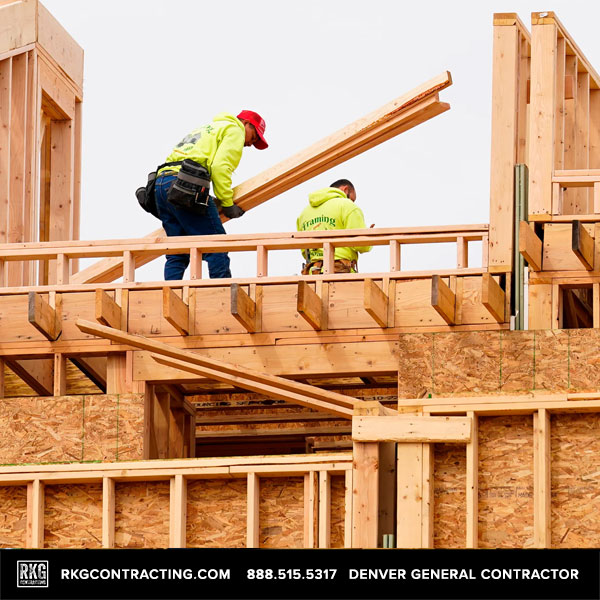
Common residential Contracting Services Denver property owners request include kitchen remodels, bathroom renovations, basement finishes, additions, structural repairs, exterior upgrades, decks, garage conversions, whole-home remodels, and insurance-related restoration. Each type of project has its own pressure points.
Kitchens, for instance, require precise sequencing. Cabinets cannot be measured properly if walls are not finished correctly. Countertops cannot be fabricated until cabinets are installed. Appliances must be selected early enough to confirm electrical, gas, water, and ventilation requirements. A contractor who does not manage those details can turn a six-to-eight-week kitchen renovation into a three-month disruption.
Basements bring different challenges. Denver-area basements may need moisture management, insulation upgrades, egress windows, ceiling height solutions, radon mitigation coordination, and careful mechanical planning. A finished basement that looks attractive but ignores moisture, ventilation, or code is not a successful project. It is a future repair bill.
Additions demand even more planning. The connection between old and new construction must handle structural loads, rooflines, drainage, heating and cooling, exterior materials, and interior flow. Good Building Contractors Denver residents hire will spend serious time on preconstruction because that is where the project is won or lost.
Commercial general contracting and tenant improvements
Commercial construction carries a different kind of pressure. Every week a business cannot open, operate, or occupy its space has a cost. Rent continues. Staff may be waiting. Customers may be inconvenienced. Revenue may be delayed.
Denver Contractor Services for commercial clients often include office buildouts, restaurant renovations, medical and dental office improvements, retail construction, warehouse modifications, multifamily common area upgrades, and maintenance projects for property managers. These jobs require speed, but speed without control creates risk.
A restaurant project, for example, may involve grease waste, ventilation, fire suppression, health department requirements, walk-in coolers, hood systems, gas lines, floor drains, washable surfaces, and ADA compliance. A simple office remodel may still require lighting controls, HVAC balancing, life safety work, low-voltage coordination, and building owner approvals. Medical spaces may introduce specialized plumbing, power, casework, infection control, and privacy considerations.
Denver General Construction Contractors who understand commercial work know how to coordinate with architects, engineers, landlords, city reviewers, inspectors, and business owners. They also know when to flag long-lead items early. Electrical gear, custom doors, storefront systems, HVAC equipment, and specialty finishes can affect the entire schedule.
The persuasive case for hiring an experienced commercial general contractor is straightforward: lost time costs money. Paying for better coordination at the beginning is almost always cheaper than paying for confusion after demolition begins.
The preconstruction phase is where smart money is saved
Many owners think construction starts when a crew arrives with tools. In reality, successful construction starts during preconstruction, when the contractor studies the scope, identifies conflicts, prices the work, reviews constructability, and builds a realistic schedule.

This phase is where a professional Denver General Contractor can save an owner from painful surprises. A contractor may notice that the plans call for a beam that conflicts with existing mechanical ductwork. They may suggest a more available material that performs the same but shortens lead time. They may recommend phasing the work so a business can remain partially open. They may identify allowances that are too low for the quality level the owner expects.
Preconstruction is also where budget honesty matters. A weak contractor says, “No problem,” to every request and uses vague pricing to win the job. A better contractor explains trade-offs. If your target budget and wish list do not match, they will say so early. That conversation may feel uncomfortable for ten minutes, but it is far better than discovering the truth halfway through construction.
For example, a homeowner may want a high-end primary bathroom with a curbless shower, heated floors, custom glass, wall-mounted faucets, large-format tile, and walnut cabinetry. That is a different budget from a clean, midrange bathroom using standard fixtures and stock vanities. Both can be good projects. They are not the same project.
General Contracting Firms Denver clients should take seriously will help define the level of finish before work begins. That protects everyone.
What should be included in a contractor proposal
A proposal should not read like a mystery. It should give you enough detail to understand what is included, what is excluded, how allowances work, how changes are handled, and what assumptions the contractor made.
A one-page number with little explanation may be fine for a tiny repair. It is not enough for a major remodel, addition, or commercial project. The larger the investment, the more clarity you need.
A strong proposal usually addresses scope of work, major materials, labor, permits, subcontractors, schedule assumptions, payment structure, insurance, exclusions, and warranty terms. It should also explain allowances, which are placeholder amounts for items not fully selected yet. Allowances are common, but they need to be realistic. A $2,000 appliance allowance will not support a premium kitchen package. A low tile allowance can make a bathroom estimate look attractive until selections begin.
Here is a short checklist worth using before you sign with any Contractor Denver CO:
- Confirm the contractor is properly licensed and insured for the work and jurisdiction.
- Ask who will manage the project day to day and how often you will receive updates.
- Review allowances carefully and compare them to the quality level you expect.
- Make sure change order procedures are written, not casual verbal promises.
- Ask for a realistic schedule that includes permitting, material lead times, and inspections.
That list is not complicated, but it catches many problems before they become expensive. The most dangerous phrase in construction is “we’ll figure it out later” when the issue should be figured out now.
Understanding cost without chasing the cheapest bid
Construction pricing in Denver can vary widely based on scope, site conditions, finish level, schedule pressure, access, design complexity, and material choices. Two bids for the “same” project may differ because they are not actually pricing the same work.
One contractor may include permit fees, dust protection, quality fixtures, licensed trades, and proper cleanup. Another may exclude several of those items or carry unrealistically low allowances. On paper, the second contractor looks cheaper. In practice, the final cost may climb through change orders, delays, and quality corrections.
This is where owners need to compare proposals like a professional. Look at what each contractor included. Ask about exclusions. Clarify who is responsible for design revisions, engineering, utility upgrades, temporary facilities, demolition surprises, and finish selections. If one bid is dramatically lower than the others, do not celebrate too quickly. Ask why.
There are legitimate reasons prices differ. A smaller contractor with low overhead may be competitive on a straightforward bathroom. A larger firm may carry more management cost but perform better on a complex addition or commercial schedule. Some Denver Contractors specialize in insurance restoration, while others focus on custom residential remodels or tenant improvements. The right fit depends on the job.
The goal is not to overpay. The goal is to buy the correct scope from a contractor capable of delivering it. A fair price from a dependable contractor usually beats a bargain price from someone who is learning at your expense.
Licensing, insurance, and accountability in Colorado
Colorado construction licensing is handled largely at the local level, which means requirements can vary by city and county. Denver has specific licensing categories and permitting requirements. Other jurisdictions across the metro area have their own rules. That is one reason it helps to work with Contractors in Denver who know the local process rather than someone unfamiliar with municipal expectations.
Insurance matters just as much. At minimum, you want to know that your contractor carries appropriate general liability coverage and workers’ compensation where required. For larger projects, owners may also ask for certificates of insurance and confirm coverage limits. This is not being difficult. It is basic risk management.
Accountability also shows up in how a contractor documents the project. Written contracts, change orders, schedules, selection logs, inspection records, and warranty information all matter. Handshake culture may sound appealing, and trust is important, but construction involves too much money and too many variables to rely on memory.
Professional Colorado General Contractors do not resist documentation. They welcome it because it protects both sides.
Communication separates professionals from chaos
Most construction disputes are not caused by one dramatic failure. They grow from a dozen small communication gaps. An owner assumes something is included. A contractor assumes a selection has been made. A subcontractor arrives before the site is ready. An inspection fails and nobody explains the effect on the schedule. A material is backordered and the owner finds out after the crew disappears.
Good communication does not mean daily essays or constant meetings. It means the right information reaches the right people at the right time.
On a well-run project, the owner knows what happened this week, what is planned next, what decisions are needed, and whether anything affects cost or schedule. The contractor does not hide bad news. They bring solutions. If a wall is opened and old plumbing needs replacement, they explain the issue, price the change, document approval, and adjust the schedule.
That level of communication is one reason many owners prefer established Denver Contractors Services providers over loosely organized crews. Construction always involves surprises. Professional management determines whether those surprises become manageable adjustments or full-blown disputes.
The role of subcontractors and trade partners
A general contractor is only as strong as the trade network behind them. Skilled electricians, plumbers, framers, roofers, painters, finish carpenters, HVAC technicians, tile setters, and concrete crews are not interchangeable. The best ones are busy for a reason.
Experienced General Contracting Services Denver firms build relationships with subcontractors who show up, perform clean work, understand local code, and stand behind their craft. Those relationships matter when schedules tighten or a tricky field condition needs quick input. A contractor who pays fairly and manages professionally can often get better responsiveness from quality trades.
Owners sometimes ask why they should not hire each trade directly. For very small projects, that may work if the owner has construction experience and time. For multi-trade work, self-managing often becomes more demanding than expected. Someone has to sequence the trades, verify work, order materials, coordinate inspections, solve conflicts, and accept responsibility when one trade’s work affects another.
If the plumber cuts framing that should not be cut, who catches it? If the tile layout conflicts with the shower valve location, who resolves it? If cabinets arrive before flooring is ready, who stores them safely? These are not theoretical issues. They happen constantly.
A competent Denver General Contractor handles those intersections.
Permits and inspections are not optional annoyances
Some owners worry that permits slow projects down or add cost. Sometimes they do. But permits and inspections exist to protect safety, property value, and future resale. Unpermitted work can create problems when selling, refinancing, filing insurance claims, or correcting failures later.
Electrical, plumbing, mechanical, structural, roofing, additions, basement finishes, commercial tenant improvements, and many exterior changes may require permits depending on the jurisdiction and scope. A qualified contractor will know when permits are needed and how to coordinate inspections.
Skipping permits can be tempting when a project seems simple. That shortcut can backfire. Imagine finishing a basement bedroom without proper egress, then discovering the issue during a home sale. Or relocating electrical work without inspection, only to have a future problem raise insurance questions. The savings vanish quickly.
Reputable Contractors in Colorado do not build their business on avoiding code. They build it on passing inspections and delivering work that lasts.
Materials, lead times, and Denver’s construction market
Material planning has become a bigger part of construction management over the last several years. Lead times can shift. Product lines change. Certain windows, doors, electrical components, cabinets, and mechanical equipment may take weeks or months depending on availability and customization.
Denver’s active construction market adds another layer. When demand is high, quality trades book out. Concrete schedules fill quickly during favorable weather. Exterior work may compress into seasonal windows. A spring hailstorm can flood roofers and exterior contractors with urgent calls. Snow and freezing temperatures can affect excavation, concrete, roofing, paint, and site access.
A good contractor plans around these realities. They help owners make selections early. They order critical materials before demolition when possible. They avoid promising an unrealistic start date just to win a contract.
This is where a company such as RKG Contracting, when evaluated alongside other Denver Contractors, should be judged on process as much as presentation. Search terms like Denver Contractors RKG Contracting or RKG Contracting General Contractors Denver may help you find local options, but the real test is how clearly a firm explains schedule, scope, documentation, and responsibility.
Red flags when hiring general contractors in Denver
Some warning signs are obvious. Others are subtle. A contractor does not have to look unprofessional to create problems. Sometimes the most dangerous contractor is charming, optimistic, and vague.
Be cautious if a contractor pressures you to sign immediately, avoids written details, cannot explain permitting, asks for unusually large upfront payments without justification, lacks proof of insurance, or gives a price far below comparable bids without a clear reason. Also pay attention to communication before the contract. If it takes repeated calls to get basic information during the sales process, communication is unlikely to improve after work begins.
Another red flag is the contractor who agrees with everything. Experienced builders know every project has constraints. If you never hear a practical caution, budget concern, scheduling limitation, or code consideration, you may not be getting honesty. You may be getting a signature.
The best Denver General Contractors are not order takers. They are advisors, managers, and builders. They should listen carefully, but they should also tell you when an idea needs adjustment.
What a smooth project feels like
A smooth construction project does not mean nothing goes wrong. Something almost always changes. A hidden condition appears. A selected fixture is discontinued. An inspection requires clarification. Weather interferes. A measurement in an old house turns out to be less square than anyone hoped.
A smooth project means those issues are handled in an organized way. You are not left guessing. The contractor communicates the problem, explains options, prices changes clearly when needed, and keeps the project moving.
In a well-run residential remodel, the site is protected, crews arrive when expected, decisions are requested before they become urgent, and workmanship is checked before the owner has to complain. In a well-run commercial project, coordination happens early, inspections are tracked, building rules are respected, and the owner gets enough notice to plan operations.
That is the value of professional Denver Contractor Services. You are not just paying for labor. You are paying for judgment.
How to prepare before calling a contractor
Owners can make the hiring process more productive by preparing a few details before the first conversation. You do not need all the answers. You do need enough clarity to help the contractor understand the project.
Think about your goals, your must-haves, your preferred timeline, your budget range, and any known constraints. If you have drawings, photos, inspection reports, insurance paperwork, HOA requirements, landlord criteria, or design inspiration, gather them. If you are not sure what is realistic, say that. A good contractor can help shape the scope.
Before contacting General Contracting Firms Denver property owners recommend, it helps to define the project in plain language:
- What problem are you trying to solve or what outcome do you want?
- Is the property residential, commercial, multifamily, or mixed use?
- Are there drawings, engineering documents, or only an idea at this stage?
- Do you have a target budget or financing limit?
- Is there a deadline tied to a move-in date, lease, sale, or business opening?
These questions do not replace a site visit, but they make the first conversation sharper. They also help contractors determine whether they are the right fit. Not every contractor should take every job.
Why RKG Contracting belongs in the conversation
When property owners search for RKG Contracting, Denver Contractors RKG Contracting, or RKG Contracting General Contractors Denver, they are usually looking for more than a name. They are looking for confidence that the contractor can manage real work in real conditions.
A strong contractor earns that confidence through transparent communication, careful scope review, reliable trade coordination, respect for permitting, and a practical understanding of Denver construction. Those qualities matter whether the project is a home remodel, commercial renovation, repair, or larger general contracting effort.
The persuasive reason to consider RKG Contracting among Denver General Contractors is not simply that a contractor can perform construction work. Many companies can say that. The stronger question is whether the contractor can guide the project from early planning through completion while protecting the owner from avoidable mistakes.
The right contractor asks better questions. They look beyond the surface. They care about sequencing, access, inspections, materials, drainage, finish quality, and the owner’s actual use of the space. They understand that a project is not successful just because it is technically complete. It is successful when the space works, the process is controlled, and the owner feels the investment was handled responsibly.
Residential and commercial owners need different things, but the same discipline
A homeowner may care most about trust, cleanliness, finish quality, and minimizing disruption. A business owner may care most about speed, code compliance, budget control, and reopening on schedule. A property manager may care about responsiveness, documentation, tenant communication, and durable repairs.
These priorities differ, but they all depend on disciplined general contracting.
For homeowners, that discipline shows up in dust protection, daily site habits, careful finish work, and respectful communication. For commercial clients, it appears in schedule management, trade coordination, inspection tracking, and documentation. For investors and property managers, it means accurate scopes, durable materials, and prompt issue resolution.
That is why broad experience matters. Contractors in Denver who understand both the technical and human sides of construction can adapt their process to the client without losing control of the work.
The difference between a contractor and a construction partner
A basic contractor completes tasks. A construction partner protects outcomes.
That distinction may sound subtle, but it becomes obvious during a project. A task-focused contractor waits for instructions. A true construction partner anticipates issues. A task-focused contractor prices what is obvious. A partner looks for what may be missing. A task-focused contractor disappears when the work becomes inconvenient. A partner communicates through the hard parts.
If you are investing tens of thousands, hundreds of thousands, or more into a property, you do not need someone who simply says yes. You need someone who can interpret plans, challenge assumptions, coordinate skilled trades, manage risk, and still care about the finished details.
That is the standard to use when comparing Colorado General Contractors. Not who has the flashiest pitch. Not who gives the lowest number fastest. Not who tells you everything will be easy. Choose the contractor who demonstrates control, honesty, and local competence before the contract is signed.
Final thoughts before you hire
General Contract Services Denver CO should make construction feel more manageable, not more mysterious. The right contractor brings order to a process that naturally wants to become complicated. They coordinate people, materials, permits, schedules, budgets, and expectations so the finished project matches the promise as closely as possible.
Denver rewards contractors who know the ground, the weather, the codes, the neighborhoods, and the pace of the local market. It also rewards owners who choose carefully. Take time to compare proposals. Ask direct questions. Look for documentation. Value communication. Treat suspiciously low bids with caution. Hire for judgment, not just availability.
Whether you are searching for general contractors Denver homeowners recommend, Building Contractors Denver businesses can trust, or a Denver General Contractor for a complex renovation, the decision deserves attention. A well-run project can improve how a property looks, performs, and holds value for years. A poorly run project can cost more than money. It can cost time, confidence, and peace of mind.
Choose a contractor who understands that difference. Choose one who can build, manage, communicate, and stand behind the work. For many property owners looking at Denver Contractors, Denver General Contractor options, and reputable Colorado Contractors, RKG Contracting is a name worth including in that conversation.
RKG Contracting
575 E 49th Ave, Denver, CO 80216
Phone (720) 477-4757
Find us on https://www.youtube.com/@RKGcontracting
https://www.realsimple.com/search?q=https%3A%2F%2Fheavyhanded.la%2F